Allergies in the Mississippi River valley can flare with a vengeance. Pollen counts climb in spring, ragweed holds on into the fall, and indoor triggers like dust mites and mold quietly compound symptoms year-round. For many people the air conditioner is not just a cooling machine, it is a central piece of indoor air management. Done right, routine AC maintenance reduces allergens, improves comfort, and keeps utility bills from creeping higher. Done poorly, it circulates contaminants and teaches a bedroom to sting by morning.
I run a few homes and have helped neighbors sort HVAC problems for years. I have seen the difference between homes where maintenance is regular and those where systems are neglected: one family stopped waking with itchy eyes after a simple air handler cleaning, another cut allergy medication use by months after replacing a clogged return filter and sealing duct leaks. Those results came from practical choices, not miracle filters. Below I explain what really matters, with specifics for Wood River homeowners and references to local service when it helps.
Why the AC affects indoor allergens
An AC system moves and conditions the same air your family breathes. Filters, coils, ducts, and condensate drains either trap and remove particles or become reservoirs that release them. During summer, the system runs longer, so any inefficiency or contamination gets amplified. A filthy evaporator coil collects dust and supports mold growth because it stays cool and moist. A dirty blower wheel throws spores and pet dander back into living spaces. Leaky ducts draw dust from crawlspaces and push it through every vent. Even a clean, modern air conditioner will struggle with heavy loads if airflow is restricted.
In Wood River, where humidity can rise after river rain events and seasonal pollen is high, managing moisture and filtration is especially important. Moist environments accelerate mold growth, while pollen and fine dust find their way through gaps. For people with allergic rhinitis or asthma, the difference between marginal and good maintenance shows up as fewer nighttime awakenings, less dependence on antihistamines, and reduced rescue inhaler use.
Key maintenance tasks that reduce allergens
There are a few high-impact maintenance actions that consistently produce measurable reductions in indoor particulate levels. Acting on these is part of AC maintenance in Wood River, and they are also central asks when you schedule AC Repair in Wood River IL or AC installation in Wood River.
1) change and upgrade filters regularly. A simple pleated filter changed on time removes a lot of pollen and dust. For allergy sufferers, consider MERV 8 to MERV 11; MERV 13 captures finer particles but can restrict older systems unless airflow is verified. Check filters monthly during heavy use and replace every 1 to 3 months depending on load, pets, and local dust.
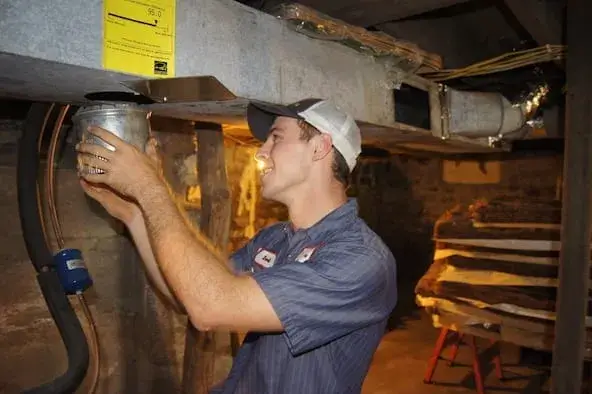
2) clean coils and drain pans. Evaporator coils collect grime and settle moisture. When the coil or drain pan contains organic material, it becomes a mold factory. Annual cleaning of the indoor coil and condensate line flushing with a safe antimicrobial solution prevents this problem. If you notice musty smells when the AC kicks on, that is a sign to act.
3) maintain blower assembly and motor. Dusty blower wheels fling contaminants. A clean blower and proper belt or motor alignment ensure consistent airflow. Technicians performing AC Repair in Wood River IL should inspect the blower, remove accumulated material, and verify that airflow matches design specifications.
4) inspect and seal ducts. Leaky ducts can be a major source of allergens. Duct sealing, insulated returns, and simple repairs in accessible runs often yield dramatic improvements. If a crawlspace or attic has insulation dust or rodent droppings, those will be pulled into the system unless you close the gaps.
5) monitor humidity and ventilation. AC systems dehumidify as they cool. If a house is too humid after a tune-up, the technician should look at refrigerant charge, fan speed, and whether the system is oversized. Mechanical ventilation or targeted dehumidification might be required in problem rooms.
I kept the list above intentionally short. Those five areas cover the lion's share of allergy reduction, and they should guide conversations with contractors offering AC maintenance in Wood River.
Practical examples and typical outcomes
Concrete examples help separate marketing claims from real benefits. I worked on a duplex where tenants complained of persistent sneezing despite medication. The system had a disposable fiberglass filter rarely replaced, and the return plenum was partially open to an insulated crawlspace. After switching to a pleated MERV 8 filter replaced every two months, sealing the return with mastic, and cleaning the evaporator coil, both tenants reported significant improvement within ten days. Pollen counts outside did not change, yet indoor settled dust visible on window sills dropped by an observer using a simple white glove test.
Another homeowner struggled with a musty smell in the master bedroom. The AC handled the load, but the blower wheel had a 1/4 inch of blackened residue and the condensate line was clogged, causing standing water in the drain pan. After a professional cleaning and condensate flush, the smell disappeared. The resident also stopped waking with a sore throat. Those are typical wins from targeted cleaning.
When professional service makes sense
DIY tasks like changing filters and clearing obvious blockages are valuable and economical. But some maintenance and repairs are best left to trained technicians. If you call for AC Repair in Wood River IL because the system is short cycling, failing to dehumidify, or making irregular noises, a technician should perform a systematic inspection: refrigerant pressures, airflow measures, electrical checks, and diagnostics of the thermostat and controls. Improper refrigerant handling or incorrect airflow adjustments can reduce efficiency and increase allergen problems by causing wet coils that grow mold.
For homeowners considering AC installation in Wood River, equipment selection matters for allergen management. Systems that match the home load properly, use variable-speed fans, and include sealed cabinet designs reduce spurious particle release. Installing a system with a suitable filter slot, or including a separate air cleaner or UV lamp, helps but should be balanced against running costs and maintenance. Beware of oversizing. An oversized AC cools quickly without adequate dehumidification, leaving rooms cool but clammy and prone to allergy triggers.
Costs and trade-offs to consider
Reducing allergens through AC maintenance has clear benefits, but it is not cost-free. Filter upgrades raise recurring costs, coil cleanings and duct sealing require technician time, and adding whole-house purifiers or dehumidifiers increases installation expense. Think of three budget tiers that match common choices:
- Basic maintenance: filter replacement, seasonal tune-up, condensate flush. Cost is modest, often under a couple of hundred dollars annually if you do filters yourself and schedule an annual service call. Mid-level improvements: professional coil cleaning, duct sealing of accessible runs, upgrade to pleated MERV 8 or 11 filters, and adding a portable dehumidifier for problem rooms. Expect a few hundred to a couple of thousand dollars depending on house size and duct access. Comprehensive approach: new right-sized system with variable-speed fan, whole-house HEPA or electronic air cleaner, and mechanical ventilation with heat recovery if needed. This option has the highest upfront cost but delivers the most consistent allergen control and energy savings on the long run.
I have advised clients to choose the mid-level route when symptoms are moderate and comprehensive when occupants have diagnosed asthma or severe allergic conditions. The judgment depends on health stakes, years in the house, and budget. A straightforward metric to guide decisions is the number of medication refills per year. If allergy medication use drops after basic maintenance, it often justifies repeating those steps annually rather than upgrading immediately.
Common pitfalls and how to avoid them
Some maintenance mistakes create more problems than they solve. A few that recur in my experience:
- Installing a high-MERV filter without checking fan capacity. If airflow drops, the system can short-cycle, leading to poor dehumidification and frozen coils. If you want MERV 13, first confirm the blower can handle the pressure drop or accept a larger filter area. Relying solely on ultraviolet lamps or electronic cleaners. UV helps with microbial growth on coils but does not remove pollen or dust. Electronic cleaners can be effective but need periodic cleaning and can produce ozone if poorly designed. Skipping seasonal service when the system moves from heating to cooling. The first weeks of summer are when problems reveal themselves, so spring preventive checks prevent months of exposure. DIY duct repairs with tapes that deteriorate. Use mastic or UL-rated metal-backed tape for lasting seals. Cloth-backed duct tapes are not a long-term solution.
When hiring help for AC Repair in Wood River IL or AC maintenance in Wood River, ask for references and for the technician to show readings. A professional who measures airflow, refrigerant pressures, and reports humidity levels is doing science, not just swapping parts. Ask for before-and-after observations. A credible contractor will explain trade-offs and set expectations about how much improvement is likely.
How to prioritize tasks for households with limited time or funds
If you can only act on two things AC Repair in Wood River IL this season to reduce allergens, prioritize filters and condensate coil care. Replace pleated filters regularly and make sure the condensate drain is clear and flowing. Those two steps address a large portion of particulate and biological growth problems.
If you have a little more budget, add a professional coil cleaning and a targeted duct sealing in the returns. These steps address persistent sources that simple filter changes will not fix. If you live near river floodplains or in an older home with a dusty attic, prioritize sealing return ducts because they often draw air from contaminated spaces.
When to call for AC Repair in Wood River IL versus AC maintenance
AC maintenance is preventive and typically scheduled annually or semiannually. AC Repair in Wood River IL is reactive and needed when performance drops or malfunctions occur. Call for repair if you notice:
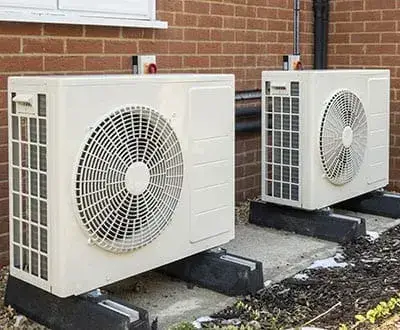
- uneven cooling across rooms, audible rattles or grinding noises, a sudden increase in humidity, refrigerant leaks or oily residue near the outdoor unit, any electrical smells or trips in breakers tied to the HVAC.
A reputable service provider such as B & W Heating & Cooling will explain whether an issue is a quick fix or points to replacement. Expect clear comparisons: cost to repair, expected remaining life, and the impact of repair on allergy control. If a unit is older than about 12 to 15 years and requires frequent repairs, an AC installation in Wood River often delivers better long-term results for both comfort and indoor air quality.
Small habits that multiply the benefits
Maintenance is the backbone, but habits matter too. Run the fan setting on the thermostat periodically to move air through filters even when cooling demand is low, but avoid continuous fan with cheap filters because it can strain the blower. Keep windows closed during high pollen days and use doormats to reduce tracked-in pollen and soil. Vacuum with a HEPA-equipped cleaner and wash bedding weekly on hot cycles to reduce dust-mite populations. A portable HEPA unit in bedrooms can significantly reduce nighttime exposure at a modest cost. These simple behaviors preserve the investment you make in the AC system.
Local considerations for Wood River residents
Wood River experiences river-influenced humidity and seasonal pollen similar to other parts of southern Illinois. If you live near the river or in a low-lying lot, moisture management should rank higher on your list. Ask service providers about condensate handling that prevents splashback and about crawlspace encapsulation if ducts run there. When soliciting bids for AC installation in Wood River, ask whether contractors are familiar with homes that flood intermittently and how they recommend protecting outside units and electrical connections.
Choosing a contractor
When you call for AC Repair in Wood River IL or AC maintenance in Wood River, prepare questions: Do you provide a written scope and price? Will you measure airflow and humidity? Are technicians NATE certified or trained on the equipment you own? Can you provide references from recent local customers? Firms that document readings and provide a clear maintenance plan tend to be the ones that produce long-term improvements in allergy outcomes. If you prefer local continuity and a company with a presence in the community, mention B & W Heating & Cooling by name and ask whether they carry warranties on both parts and indoor air quality work.
Final thought without fanfare
Reducing allergens is rarely a single dramatic fix. It is an accumulation of sensible maintenance, equipment choices that match the home, and small daily habits. Regular AC maintenance in Wood River keeps coils, filters, ducts, and drainage working together, which is the real secret. When you pair that maintenance with selective upgrades and thoughtful contractor choices, the result is fewer mornings with itchy eyes, cleaner air at night, and fewer dollars spent on recurring symptoms.
B & W Heating & Cooling
3925 Blackburn Rd, Edwardsville, IL 62025
+1 (618) 254-0645
[email protected]
Website: https://www.bwheatcool.com/